21 Sofa Design Trends That Make Your Living Room Look Way More Expensive
This post contains affiliate links. As an Amazon Associate, I earn from qualifying purchases at no additional cost to you. I only curate products that align with the Comfylish aesthetic.
Sofa Design: The Architectural Handshake of Your Home
You bought the vintage rug. You hung the oversized art. You even splurged on the sculptural ceramic vase that looks like it belongs in a Copenhagen gallery. And yet, when you walk into the room, something feels… off. The eye doesn’t settle. The space lacks gravity. Here is the uncomfortable truth most design blogs won’t tell you: your living room is only as sophisticated as its largest inhabitant. The sofa design is the anchor, the weight, and the architectural handshake of the entire space. If that piece is apologetic, too puffy, too beige, or too safe, the rest of the room is just expensive confetti scattered around a void.
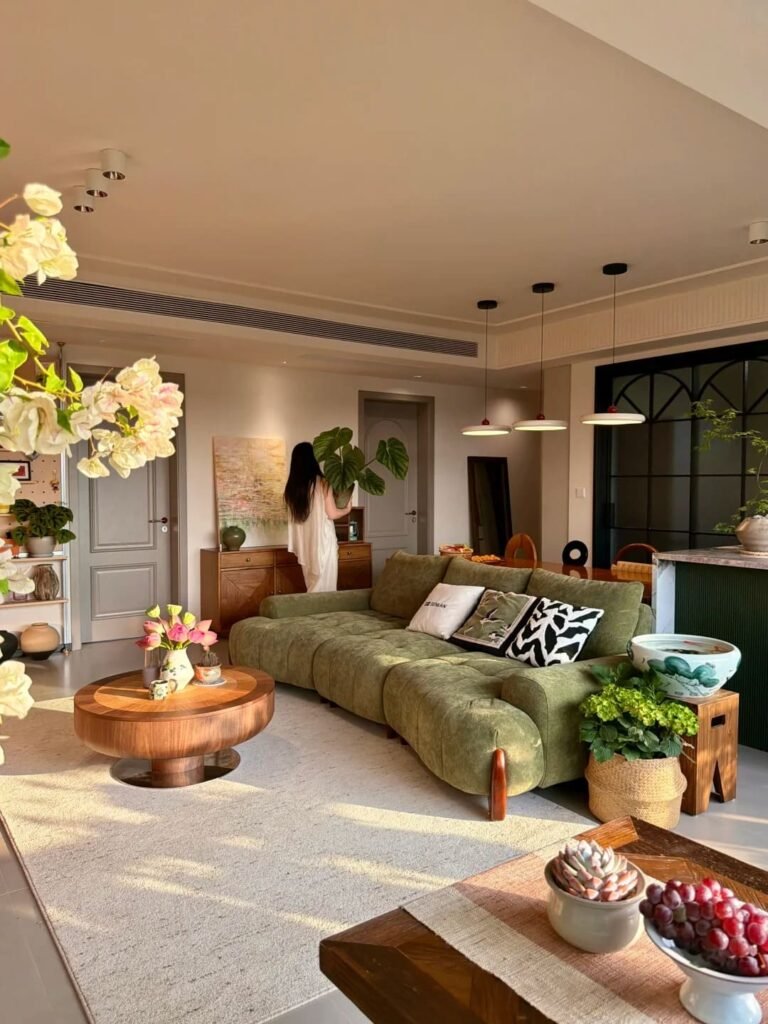
rednote / @郑好遇见
Why the “Anchor” Matters
This isn’t about spending a fortune on a name brand. It’s about understanding the visual language of the furniture you live in. Every detail speaks volumes about your taste before you’ve even offered a guest a drink:
- The “Leggy Void”: The specific distance between the floor and the seat cushion.
- The Silhouette: The curve of an armrest or the sharp line of a frame.
- The Presence: Whether a piece commands the room or merely fills space.
Curated Trends for 2026
We have curated 21 sofa design trends that operate on this exact principle. These are the silhouettes, textiles, and proportions that whisper old money, gallery owner, or simply impeccable taste.
Let’s find the one that finally makes your room exhale.
A Curator’s Disclaimer
We are bypassing the algorithmic micro-trends; The one-season wonders destined for a “free” listing by next spring. Instead, this list draws from a different pedigree of inspiration:
- Pierre Yovanovitch: For quiet architectural confidence.
- Kelly Wearstler: For bold, textural rebellion.
- Rose Uniacke: For timeless, monastic restraint.
As Architectural Digest recently explored in its 2026 “It Couch” forecast, the industry is moving toward silhouettes that blend softness with architectural intention; Pieces that feel less like furniture and more like part of the architecture itself.
That same instinct guides every selection below. These sofa design choices are less about what is trending on TikTok and more about the principles that have made rooms look expensive for the last sixty years. We aren’t looking for “viral”; we are looking for “eternal.”
Let’s dive in.
1. The Curved Bouclé Statement
- Why This Works: It softens the hard edges of modern life without sacrificing architectural integrity.
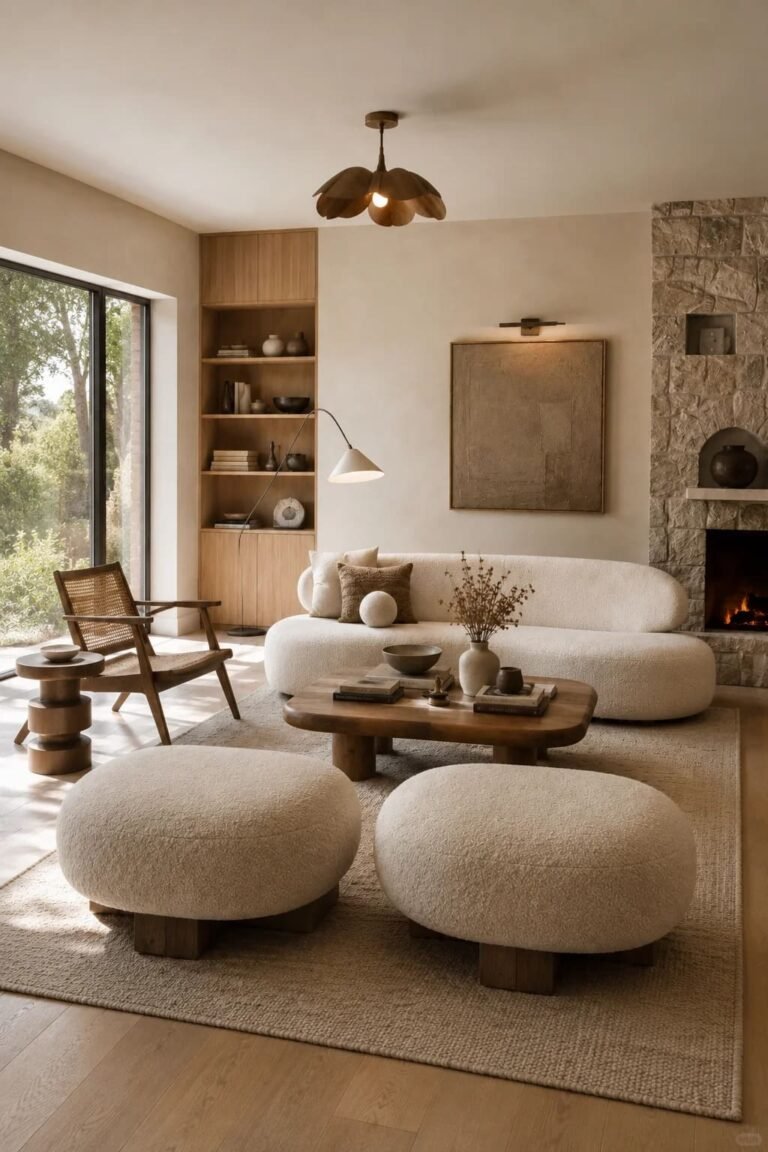
- The Design: While boxy sectionals feel “suburban media room,” a curved sofa design reads “art gallery.” The curvature forces the eye to travel around the perimeter, making the space feel fluid and larger. Ivory bouclé adds a layer of visual texture that signals a high price point and looks impeccable in photography.
- The Curator’s Cheat: Balance the soft curves with a brutally sharp-edged coffee table in marble or raw-edge wood. The tension between the two is where the magic lives.
2. The Exposed Wood Frame (Mid-Century Minimalism)
- Why This Works: Negative space is the ultimate luxury; it lets the room breathe.
- The Design: In the world of sofa design, the “float” is everything. A sofa that sits directly on the floor swallows light and adds heavy visual weight. Tapered wooden legs lift the silhouette, allowing light to pass underneath-a gold standard for making a small apartment feel like a loft.
- The Curator’s Cheat: Keep the upholstery tight and tailored. A slouchy cushion on an exposed wood frame defeats the architectural purpose.
3. The Single, Uninterrupted Bench Cushion
- Why This Works: Seams are visual noise. A seamless horizon line represents serene wealth.
- The Design: Most affordable sofas are split into two or three cushions. An elevated sofa design utilizes a single, long bench cushion. It looks intentional and custom, requiring higher-grade materials to execute without sagging. Plus, no one has to fight over the “middle crack” during movie night.
- The Curator’s Cheat: Style this with two long, lean lumbar pillows instead of a barrage of square throw pillows.
4. The Low-Slung Track Arm
- Why This Works: It is the architectural equivalent of a whisper—commanding attention by not yelling.
- The Design: The track arm (straight, squared-off arms) paired with a low back profile (under 30 inches) creates a long horizontal line that visually expands your walls. It is a favorite of minimalist architects because it recedes into the architecture rather than dominating it.
- The Curator’s Cheat: This design works best pulled away from the wall. Let it float in the center of the room with a slim console table behind it.
5. Deep Seating & Performance Velvet
- Why This Works: Luxury is the permission to lounge; performance fabric is the permission to live.
- The Design: A deep-seat sofa design (minimum 40 inches) invites guests to stay awhile. To keep it from looking like a dorm room, use Performance Velvet. It has the lustrous sheen of mohair but is secretly indestructible against wine, pets, and fingerprints.
- The Curator’s Cheat: Choose jewel tones like emerald, sapphire, or oxblood. They reflect light in a way that flat beige linen never will.
6. The Tight-Back, Loose-Seat Hybrid
- Why This Works: It combines the crispness of custom upholstery with the comfort of a nap.
- The Design: This detail separates the budget sofa from the investment piece. A tight back (sewn into the frame) looks permanent and tailored, while loose seat cushions provide the “sink-in” factor. It is sharp where it matters and soft where it counts.
- The Curator’s Cheat: This is the ideal canvas for patterns. Because the back is smooth, a bold stripe or checkered print won’t warp or look messy.
7. The Sloped English Roll Arm
- Why This Works: It’s the “comfort food” of furniture, upgraded with bespoke tailoring.
- The Design: The 2026 iteration is sleeker than the overstuffed ’90s versions. It features a lower seat, a slightly sloped arm, and beautiful turned legs. It feels inherited, like something found in a London townhouse, rather than mass-produced.
- The Curator’s Cheat: Upholster this in a textured linen blend using complex neutrals like flax or oatmeal.
8. The Channel-Tufted Back
- Why This Works: Vertical lines are the interior equivalent of a pinstripe suit—they elongate and refine.
- The Design: Forget diamond-tufted buttons. Modern sofa design embraces channel tufting and continuous vertical seams. This creates a rhythm of light and shadow that draws the eye upward, making your ceilings feel taller while adding a sense of labor-intensive craftsmanship.
- The Curator’s Cheat: Stick to smooth fabrics like velvet or leather. Heavy bouclé will hide the detail you’re paying for.
9. The “Leather Patina” Investment
- Why This Works: New things look bought; worn things look owned.
- The Design: Aniline leather in cognac or tobacco is the ultimate “stealth wealth” choice. It scratches and darkens over time, developing a patina that tells a story. It’s the difference between a sitcom set and a novelist’s study.
- The Curator’s Cheat: If “new” leather feels too precious, look for “waxed pull-up” leather. it arrives with all the character and wrinkles already installed.
10. The Sculptural Asymmetrical “Cloud”
- Why This Works: It isn’t furniture; it’s a land sculpture you can sit on.
- The Design: This sofa design defies the rectangle. With a back that swoops or a chaise that extends like a melted puddle, it signals that you aren’t decorating for resale value, you’re decorating for your own exquisite joy.
- The Curator’s Cheat: This must be your only statement piece. Everything else in the room, rugs, art, and tables, must remain quiet and deferential.
Pause. Look up.
Scan your current living room floor. Does light pass under your sofa, or does the upholstery swallow the floor like a sinking ship?
That gap of air, the “leggy void”, is one of the most underrated tools in sofa design. The next eleven trends will show you how to use proportion and texture to manipulate the very gravity of your space.
Ready? Let’s finish strong.
11. Contrast Welt Piping
- Why This Works: It’s the sartorial equivalent of a French cuff, a detail that whispers custom tailoring.
- The Design: Most sofas match the piping to the fabric. However, a curated sofa design uses contrast piping, like a cream sofa traced with a thin black line. This small addition communicates a level of attention to detail that feels intentionally “bespoke.”
- The Curator’s Cheat: This is a “whisper” detail. You don’t need a loud contrast; even a subtle shift in tone (like navy with a charcoal edge) signals quality.
12. The Low-Profile Sectional (The “Cloud Pit”)
- Why This Works: It prioritizes horizontal lounging over vertical formality, creating a destination for connection.
- The Design: The modern, expensive-looking sectional is low to the ground but not floor-sitting. It features a deep, single bench cushion and a low back that keeps window lines clear. It feels indulgent and generous, the opposite of a stiff, formal parlor.
- The Curator’s Cheat: Avoid the “U-shape” with cup holders. Stick to a massive “L” or a modular pit configuration to maintain a sophisticated silhouette.
13. Textural Performance Linen (The Slub)
- Why This Works: Perfection is boring; intentional imperfection is organic and calming.
- The Design: While crisp linen wrinkles instantly, Slub Linen uses intentional irregularities to create a nubby, heathered surface. It mimics the walls of a Provençal farmhouse, hiding wear and wrinkles while providing an effortless, “old family money” patina.
- The Curator’s Cheat: This fabric is your best friend if you have pets or children. The texture hides everything while looking like a million dollars.
14. The Floating Credenza Sofa
- Why This Works: It’s a two-for-one architectural moment that adds immediate depth.
- The Design: This move involves placing a simple, clean-lined sofa in the center of the room with a low-profile wood credenza directly behind it. It breaks up the “sea of sofa back” and provides a landing strip for lamps and books, making the piece look built into the architecture.
- The Curator’s Cheat: Ensure the credenza is slightly lower than the sofa back to maintain a clean, layered sightline.
15. The Return of the Pleated Skirt (The Modern Update)
- Why This Works: It hides the legs of a rental sofa while adding a soft, European elegance.
- The Design: This isn’t the frilly chintz of the ’80s. The modern sofa design features a tailored, inverted-pleat corner skirt that drops nearly to the floor. It creates a soft, upholstered block of color, perfect for small spaces where too many exposed legs create visual clutter.
- The Curator’s Cheat: Keep the fabric solid and modern to ensure the skirt looks chic rather than dated.
16. The Black Frame “Tuxedo”
- Why This Works: High contrast always reads as editorial and expensive.
- The Design: A Tuxedo sofa features arms and a back at the exact same height. When executed with a black wooden frame and stark white cushions, it evokes 1930s Art Deco glamour. It’s graphic, bold, and holds court in any room.
- The Curator’s Cheat: This is the ultimate anchor for a gallery wall of black-and-white photography.
17. The Rounded Barrel Back
- Why This Works: It creates an intimate “hug zone” within an open-plan layout.
- The Design: As open living becomes the norm, the barrel back, where the back wraps into the arms in a continuous curve, provides a sense of enclosure. It has a smaller, more sculptural footprint, making it ideal for apartments or secondary seating areas.
- The Curator’s Cheat: Use this shape to define a “room within a room” without the need for physical dividers.
18. The “No Center Leg” Engineering
- Why This Works: It’s an engineering flex that makes a heavy piece look impossibly light.
- The Design: High-quality sofa design utilizes heavy-gauge springs and solid hardwood to eliminate the need for a fifth support leg in the center. A sofa that floats on only four corner legs looks more architectural and less “mass-produced.”
- The Curator’s Cheat: If you’re shopping in person, check the underside. A lack of a center leg is often a silent indicator of a superior frame.
19. The Daybed Arm (Asymmetry)
- Why This Works: It breaks symmetry to invite lounging without the bulk of a traditional chaise.
- The Design: By having a standard arm on one side and an open “daybed” end on the other, you create a visual portal. It’s a sophisticated, European alternative to the standard sectional, encouraging a more relaxed way of sitting.
- The Curator’s Cheat: Position the open end toward a fireplace or a view to emphasize the “lounging” intent.
20. Muted, “Muddy” Color Palettes
- Why This Works: Beige can look like a default; colors like olive and rust look like a choice.
- The Design: The most expensive rooms in 2026 are moving toward “muddy” colors, rich tones mixed with a drop of their complement. Think Smoked Olive, Burnt Sienna, or Aubergine. These colors absorb light and create a cozy, enveloping cocoon.
- The Curator’s Cheat: These complex tones are the perfect backdrop for gold accents and warm lighting.
21. The Architect’s Mix: Metal + Upholstery
- Why This Works: It introduces a cool, hard edge to balance the softness of the seating.
- The Design: The future of high-end sofa design integrates metal (brushed brass, nickel, or bronze) directly into the frame as a “spine” or rail. It looks like a custom piece from a Milan design fair and adds an industrial luxury that feels incredibly current.
- The Curator’s Cheat: If a metal-integrated sofa is out of reach, place a metal floor lamp so it arcs directly over the arm of your sofa to mimic that visual relationship.
The Non-Negotiable Rule of Three
You’ve just scrolled through 21 distinct, curated sofa design perspectives. If that feels overwhelming, remember the secret: they all adhere to three universal principles that cost nothing to understand.
- The Void is Valuable: Whether it is tapered legs or a recessed base, the space under the sofa defines the room’s lightness. Eliminate it, and the room feels heavy; embrace it, and the room breathes.
- Texture Over Pattern: Loud patterns date a room quickly. Tactile surfaces, like bouclé, slub linen, channel tufting, or patina leather, keep a space timeless and sophisticated.
- The Curve is the Rebellion: In a world of rectangular screens and rectangular walls, introducing a single curve into your seating plan is an act of visual rebellion.
Your One Small Step
Don’t try to overhaul your entire home overnight. Pick just one trend from this list. Maybe it’s swapping your standard square pillows for a single, long lumbar. Maybe it’s simply pulling the sofa three inches away from the wall to let the light through. These sofa design shifts are subtle, but their impact on how you feel in your space is tectonic.
Let your room finally exhale.