17 Entryway Table Ideas Designers Use to Create a Polished Entry
This post contains affiliate links. As an Amazon Associate, I earn from qualifying purchases at no additional cost to you. I only curate products that align with the Comfylish aesthetic.
Looking for the best entryway table ideas to transform your front door experience? You’re in the right place.
Walk into any home that feels instantly welcoming, and you’ll notice something subtle but powerful: the entryway table isn’t an afterthought. It’s a statement. Designers know that this narrow surface, often just six to twelve inches deep, carries an outsized role. It’s the first thing you touch, the last thing you see, and the quiet anchor of your home’s handshake.
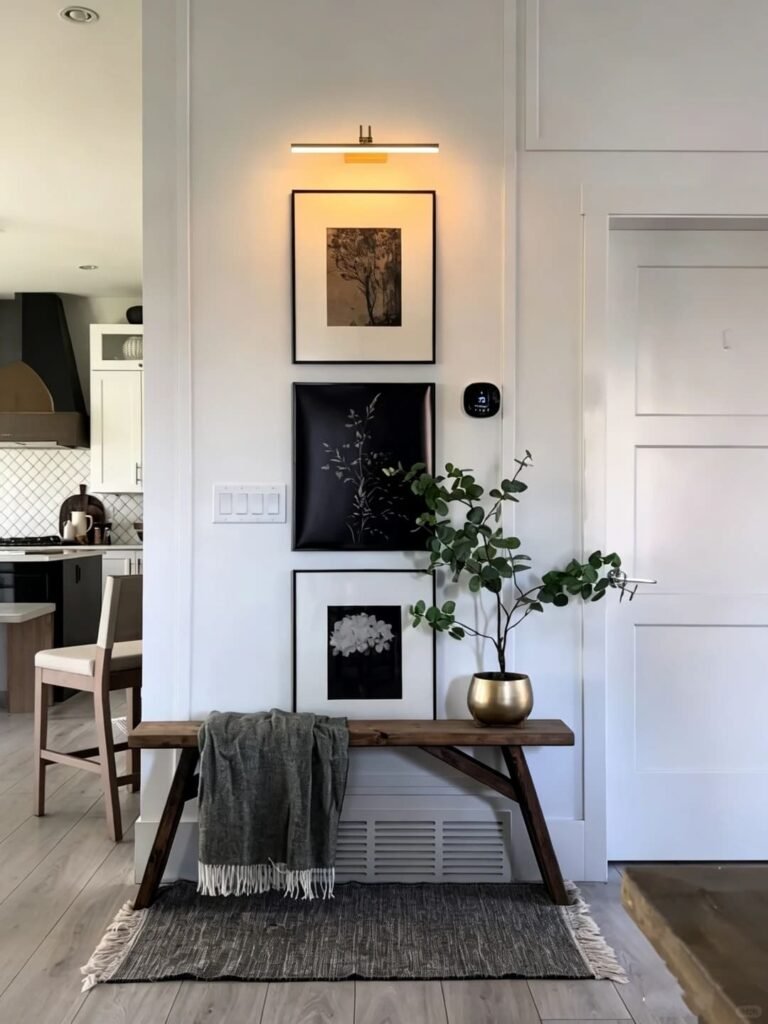
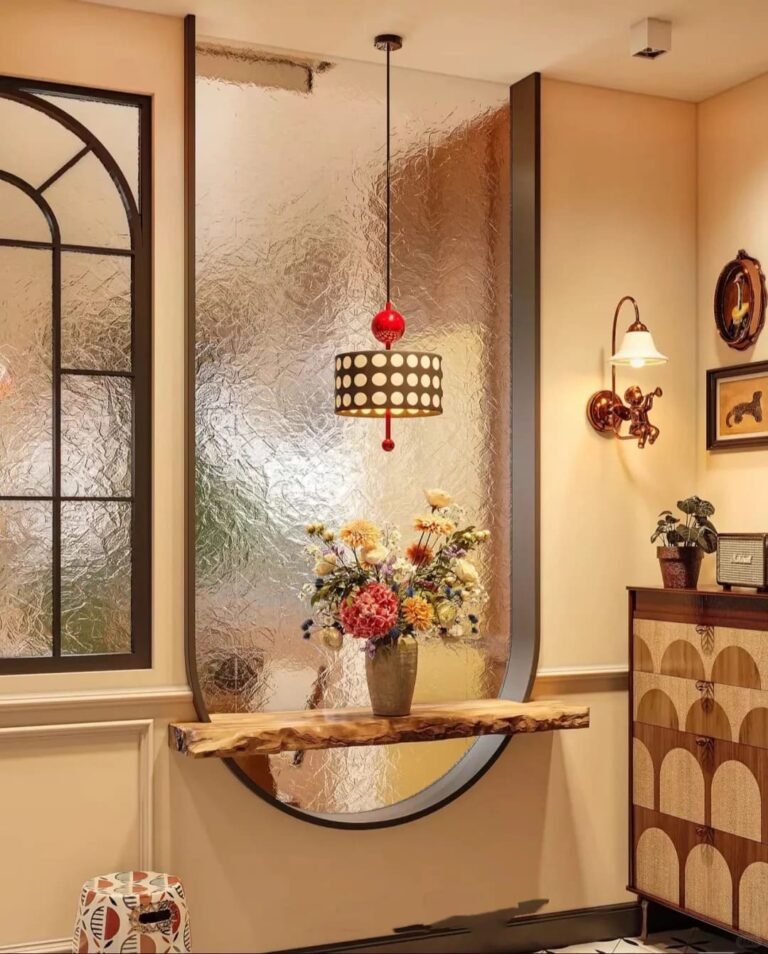
rednote / @柒柒820
The Secret to a Perfect First Impression
Here’s the truth most decorating guides skip: a polished entry doesn’t require a grand foyer or a designer budget. It requires intention.
That’s exactly what these 17 curated concepts deliver. Curated straight from interior designers who specialize in making small moments feel monumental, these setups balance beauty with everyday function.
What You’ll Find Inside:
- Sculptural Vignettes: High-design looks that double as art.
- Storage-Savvy Solutions: Hidden organization for keys, mail, and clutter.
- Space-Saving Layouts: Smart styling for tight spaces and narrow hallways.
Whether your entry is a tight apartment corridor, a sun-drenched farmhouse drop zone, or a modern loft with concrete floors, you’ll find your perfect look here. Let’s build a first impression worth remembering.
The Art of the Vignette (Designer Styling Basics)
Before we talk about specific furniture pieces, let’s talk about how designers think. The best entryway table ideas always start with a vignette, a small, carefully composed scene. Not cluttered, not empty. Just… intentional.
Think of your console table as a stage. The objects you choose shouldn’t just sit there; they need to interact with one another. Here is how top interior designers master the art of the entryway vignette.
1. The Rule of Three, Elevated
You’ve likely heard of the classic rule of three, but designers live by a much more nuanced version: one tall, one wide, and one organic. This creates a visual triangle that naturally guides the human eye.
On an entryway table, that formula looks like this:
- The Tall element: A sculptural ceramic table lamp or a sleek vase.
- The Wide element: A horizontal stack of two to three beautiful design books.
- The Organic element: A trailing pothos plant, a bowl of moss, or dried branches.
Designer Secret: The magic lies in asymmetry. Avoid matching sets and perfect symmetry. True balance comes from grouping items of different textures, heights, and materials together.
2. One Tray to Rule Them All
Every designer we spoke to uses a tray, not for serving, but for corralling. A front entry is inherently a drop zone for daily life. Without a dedicated landing pad, keys, loose change, sunglasses, and mail will instantly scatter, creating chaos.
- The Material Matched to Your Style: Opt for a shallow marble tray for a modern look, warm oak or walnut for organic warmth, or woven leather for a touch of texture.
- The Golden Ratio: Keep the tray to roughly one-third of your table’s total width. The remaining two-thirds should stay clear or host your taller decorative elements.
3. Layered Heights (Lamp + Object + Art)
Flat surfaces feel two-dimensional and sterile. To fix this, designers build upward and overlap items to create depth. Instead of lining things up like soldiers, think of your decor in layers: foreground, midground, and background.
- Background: Lean a piece of framed art directly against the wall, or hang a mirror so its bottom edge sits just a few inches above the tabletop.
- Midground: Place a statement table lamp (aim for 24–28 inches tall) slightly overlapping the edge of the artwork.
- Foreground: Add a small, tactile object, like a scented candle, a unique stone, or a small brass dish, just in front of the lamp base.
4. Negative Space Is a Power Move
This one is counterintuitive but absolutely critical: confidence looks like restraint. The biggest mistake DIY decorators make is feeling the need to fill every square inch of a surface.
Leave at least one entire end of your entryway table empty. No objects, no decor, nothing. That physical breathing room makes the remaining objects feel deliberate and curated, not desperate for attention. If everything is shouting for notice, nothing stands out.
5. The “Quiet Luxury” Palette
If you want your entry to instantly feel expensive, stick to the “Quiet Luxury” palette that top designers keep returning to: beige, warm wood, blackened steel, honed stone, and cream.
Because these earthy tones are grounded in nature, they don’t compete with each other; They coexist beautifully. When styling with this palette, your secret weapon isn’t color; it’s texture:
- Matte Black Steel: Use a lamp or vase to add visual weight and high contrast.
- Honed Limestone or Marble: Bring in a raw, sophisticated stone bowl for texture.
- Warm Walnut or White Oak: Add a wooden tray to soften the look with organic warmth.
Mix these textures, step back, and stop. You’re done.
Small Entryway Table Ideas That Still Deliver
Now let’s address the most common objection: “My entry is too tiny for a table.” Designers hear this constantly, and they have a firm answer: no, it’s not. You just need smarter, more tailored entryway table ideas.
When square footage is tight, every design choice has to work twice as hard. Here is how top professionals maximize small spaces without sacrificing an ounce of style.
6. Narrow Console, Big Mirror
A console table that is only 8 to 12 inches deep fits into almost any hallway or corridor without blocking traffic. The trick to making it feel substantial rather than cramped is pairing it with an oversized mirror that spans nearly the same width as the table itself.
- The Illusion: The mirror bounces light around the room and visually doubles the depth of your entry, instantly opening up a narrow hallway.
- Pro Positioning Tip: Hang the mirror so its bottom edge sits exactly 4 to 6 inches above the table surface. This creates a cohesive, integrated unit rather than two floating pieces.
7. Floating Shelf as a Table (Zero Footprint)
Wall-mounted floating shelves are the ultimate small-space cheat code. By installing a thick, high-quality wood or stone ledge at standard table height (30–32 inches from the floor), you get all the styling real estate of a console with absolutely zero floor footprint.
Because there are no legs to clutter the floor, the sightline remains uninterrupted, which makes the entire entryway feel larger. This is one of the most effective entryway table ideas for tight apartment landings or rental homes where you want high impact with minimal bulk.
8. Round Table for Tight Corners
Corners are often treated as dead space, but they are actually underutilized design goldmines. A small round pedestal table or a demi-lune piece tucks perfectly into a corner, softening the hard, sharp angles of a narrow hallway.
To style a small round table without cluttering it, use the “Power of One” rule:
- Skip the multiple small objects.
- Instead, style it with a single, oversized statement item, like a large ceramic vase filled with tall branches or a beautiful stack of round leather boxes.
- This echoes the circular shape of the furniture and creates an instant focal point.
9. Demilune + Wall-Mounted Lamp
A demi-lune (half-moon) table features a curved front and a flat back, allowing it to hug the wall closely without protruding into your walking path. Because the surface area is limited, you have to be highly intentional with your lighting.
Instead of taking up valuable surface space with a bulky table lamp, mount an elegant swing-arm sconce on the wall directly above the table. On the tabletop, place nothing more than a tiny, beautiful dish for your keys. This creates a minimalist look that feels incredibly luxurious and curated rather than empty.
10. Basket Storage Underneath (Hide, Don’t Pile)
When vertical space is precious, you must look under the table. The negative space beneath a console is prime real estate for hiding everyday clutter that would otherwise end up piled on top.
Slide a single, handsome, oversized woven basket or a pair of low leather bins beneath your table. This gives you a dedicated, hidden spot for dog leashes, winter gloves, or kids’ shoes.
The Visual Rule: Always choose baskets that are a shade darker than the table itself. This causes the storage to visually recede into the shadows under the table, keeping the focus on your beautiful tabletop styling.
For more small-space magic, check out our guide on 15 Entryway Lighting Ideas That Make Your Home Feel Instantly Welcoming, because even the narrowest entry needs great light to truly shine.
Entryway Tables with Smart Storage
Not every entryway table needs to hide daily clutter. But if your household is anything like ours, a beautiful drop zone quickly turns into a mountain of mail, keys, and miscellaneous gear. Thankfully, storage doesn’t have to mean bulky, heavy, or ugly.
These entryway table ideas prove that high-functioning storage and high-end design can absolutely live in harmony.
11. Drawers for the Win (Keys + Mail + Sunglasses)
A console table with two or three shallow drawers is the ultimate organizational workhorse. Because the drawers are shallow, items can’t get buried or lost in a deep cavern. Instead, everything remains laid out perfectly in a single layer.
To make this setup flawless, try dividing your drawers into specific zones:
- The “Out the Door” Drawer: Dedicated entirely to items you need as you leave, sunglasses, car keys, lip balm, and hand sanitizer.
- The “In the Door” Drawer: A temporary holding zone for incoming mail that needs sorting, receipts, and small packages waiting to be returned.
Pro Organizer Tip: If you share your home with family or roommates, place small, modular acrylic dividers inside the drawers. Assigning a small section to each person ensures a permanent end to top-of-table counter clutter.
12. Cabinet Console – Shoes Out of Sight
Shoes piling up right by the front door is a universal fact of life. If you don’t want your guests stepping over clutter the second they walk in, an enclosed cabinet console is your best defense.
- The Modern Solution: Opt for a fully enclosed cabinet console or a stylish piece featuring sleek, flip-down doors.
- The Storage Capacity: These clever entryway table ideas can effortlessly hide up to four pairs of shoes per cabinet compartment, keeping your floor completely clear.
- The Must-Have Feature: When shopping for a cabinet console, always look for pieces that feature built-in ventilation (such as louvered front doors, mesh panels, or subtle gaps in the back panel).
- The Benefit: This ensures continuous, fresh airflow through the piece, successfully preventing any trapped, musty odors from building up inside.
13. Two-Tier Table + Bins
A two-tiered entryway table is a brilliant design cheat because it gives you two full-length surfaces for the exact same floor footprint. The trick to keeping a two-tier table looking like a designer styled it, rather than a storage unit, is dividing the duties of each level.
- The Top Tier: Reserved strictly for beautiful decor. This is where you place your statement table lamp, your sculptural catchall bowl, and your leaned artwork.
- The Lower Tier: Reserved for functional storage. Measure the opening precisely and source two or three matching woven, canvas, or leather bins that slide in and out perfectly.
Using bins with structured lids on the bottom shelf is also a fantastic way to keep curious toddlers or pets away from whatever you are storing inside.
14. Bench-Table Hybrid (Sit + Set Things Down)
For active households and narrow entry corridors, the bench-table hybrid is pure genius. This is the ultimate example of form and function fully married into one beautiful piece of furniture.
- The Design: This clever setup looks exactly like a traditional console from a distance, making it one of the most unexpected entryway table ideas for maximizing utility.
- The Features: It actually incorporates a hidden, pull-out bench or features a sturdy, low-slung padded top that doubles as comfortable seating.
- The 3-Step Coming Home Routine: It creates a seamless flow the second you walk through the door:
- Step inside the front door.
- Set your heavy bags or groceries down right on the table surface.
- Sit down comfortably on the bench to untie your shoes.
Unexpected Designer Moves
Ready for ideas that break the traditional design rules? These final three entryway table ideas are for confident decorators who want their home to feel unique, memorable, and high-end right from the front door.
15. Sculpture as Table (Art + Function)
Who says an entryway table actually has to be a traditional four-legged piece of furniture? Interior designers are increasingly ditching conventional consoles in favor of architectural, artistic bases.
- The Alternatives: Use sculptural pedestals, antique garden urns, fluted stone columns, or a large ceramic drum stool.
- The Golden Rule: The top surface must be just flat enough to safely hold a single, tiny functional object (like a minimalist key dish or a small bud vase).
- The Impact: The furniture itself is the artwork, creating an immediate, gallery-like experience the second you step inside.
16. Monochrome Magic (Wall, Table, and Decor in the Same Color)
If you want a high-impact, editorial look with very little effort, try the monochrome technique. By blending the furniture directly into the architecture, you eliminate harsh visual boundaries for an incredibly calm, cohesive space.
- The Color Choice: Pick a single, rich color that sets the mood, such as a warm taupe, a deep olive green, or a sophisticated charcoal gray.
- The Wall: Paint the entire entry wall behind your table in your chosen hue.
- The Table: Choose an entryway table in that exact same shade, or paint a vintage find to match the wall perfectly.
- The Decor: Style the top with just one or two decorative pieces in a slightly lighter or darker version of that same color.
17. The “Empty” Table (One Perfect Thing Only)
This final move takes a lot of styling confidence, but top-tier interior designers absolutely adore it. The surrounding emptiness becomes a deliberate part of the design, relying entirely on restraint.
- The Concept: Place absolutely nothing on your entryway table except one single, jaw-dropping statement object.
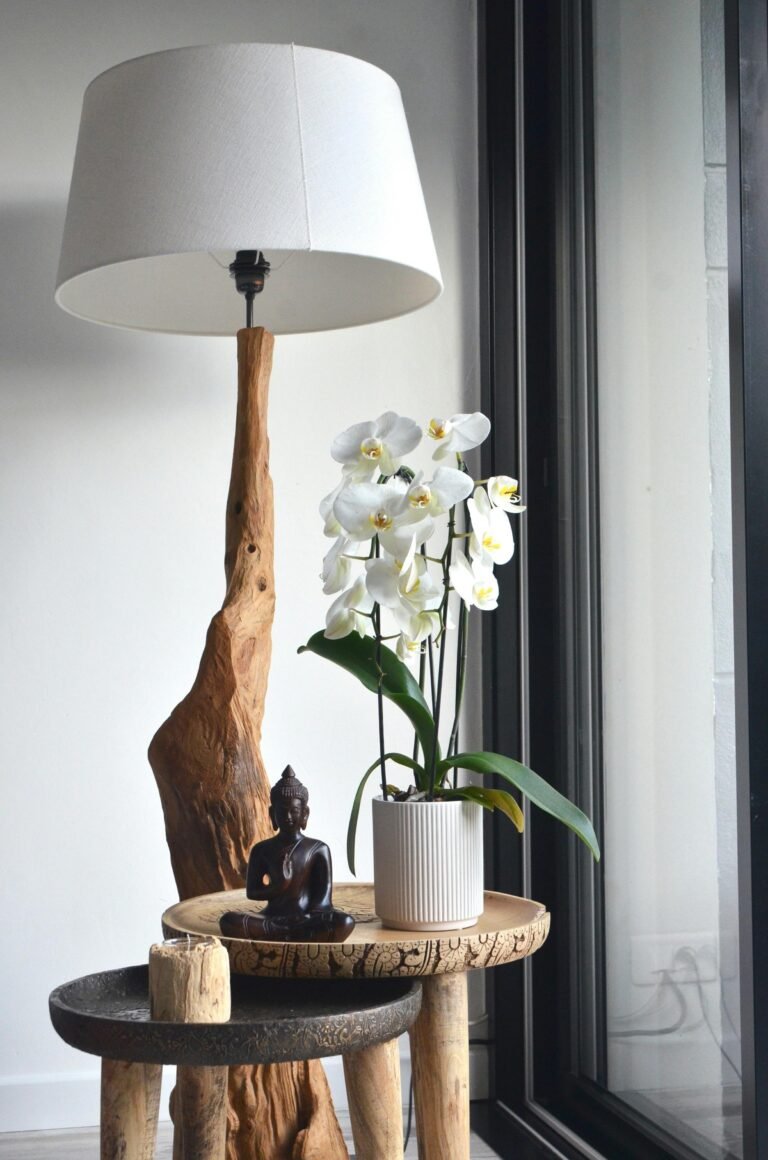
- The Objects to Try: A massive, raw agate slice on a brass stand, a single striking orchid in a simple concrete pot, or a beautiful vintage hourglass.
- The Message: It is a styling choice that exudes luxury because it proves you don’t need to over-decorate to make a statement.
For even more creative entry inspiration, don’t miss our complete collection of 23 Entryway Ideas That Make a Lasting First Impression, perfect for pairing with your brand-new table setup.
Designer Pro Tip Box
The Golden Rule of Entryways: Scale Before Style
“The biggest mistake I see? Buying the table first. Always measure your walkway clearance first, 36 inches absolute minimum, 42 inches for comfort. Then, find the table. Scale is everything.”
— M. Chen, Interior Designer
How to Measure Your Space Like a Pro:
Before you fall in love with any of these entryway table ideas, grab a tape measure and verify these three critical dimensions:
- The Walkway Clearance (The Priority): You need at least 36 inches of clear floor space in front of the table so people can comfortably walk past with bags, coats, or groceries. If your hallway is narrow, look for an ultra-slim console (8–10 inches deep).
- The Door Swing: Stand inside your entry and open your front door completely. Mark where the door stops. Your table must sit completely outside of this radius to avoid accidental scratches and collisions.
The Standard Table Height: Most designer consoles sit between 30 and 32 inches tall. If you plan to hang a mirror or artwork above it, ensure you have enough vertical wall space to keep the pieces visually connected.
How to Choose the Right Entryway Table (Quick Checklist)
Before you buy or DIY, run through this quick checklist. Taking two minutes to answer these questions right now will save you hours of returns and decor regret later.
1. Measure Your Walkway Clearance
- The Rule: Maintain at least 36 inches of clear space from the table’s front edge to the opposite wall or furniture.
- The Goal: Ensure guests can walk through comfortably without squeezing past or bumping their knees.
- The Small-Space Solution: If your clearance is under 36 inches, pivot to a floating wall shelf or a slim 8-inch demilune table.
2. Match Your Home’s Architecture
Your entryway sets the tone for the entire house. Choose a material palette that echoes the architectural style of your space:
- Modern & Minimalist Entries: Look for sleek, clean lines, powder-coated metal frames, or smoked glass tops.
- Traditional & Transitional Entries: Opt for classic turned legs, warm cherry or walnut woods, and antique brass hardware.
- Organic Modern Entries: Focus on raw or white oak, honed limestone, travertine, and textured plaster finishes.
3. Decide: Statement or Workhorse?
Be honest about how your family actually uses the front door. You need to choose between two main categories:
- The Statement Piece: Made of delicate glass, high-end marble, or sculptural shapes. Choose this if you have a separate mudroom or coat closet to handle daily gear.
- The Workhorse: Features built-in drawers, deep cabinets, or two-tier shelving. Choose this if your front door is your main drop zone for keys, mail, shoes, and backpacks.
4. Plan the Lighting (Above or Beside)
- The Rule: Never leave an entryway table sitting in the dark. Proper lighting makes the entire house feel safe and welcoming the moment you step inside.
- The Options: Plan for a statement table lamp (if you have an outlet nearby), a pair of symmetrical wall sconces, or overhead directional spotlights aimed directly at your beautiful tabletop vignette.
FAQ
Conclusion: Your Home’s Handshake Just Got Stronger
You don’t need a sprawling, multi-million-dollar foyer or an elite designer’s budget to create a stunning front entry. You just need exactly one entryway table idea that perfectly fits your specific layout, your daily habits, and your personal taste.
Which Idea Will You Choose This Weekend?
- For the Tight Apartment or Rental: Go for the floating shelf to keep your precious floor space completely clear.
- For the Busy Family: Choose the two-tier console with matching bins to keep the daily clutter of shoes and backpacks entirely out of sight.
- For the Bold Modern Space: Invest in a sculptural pedestal or drum to turn your front door into a gallery-like experience.
Your Next Steps:
Don’t let decor paralysis hold you back. You can completely transform your space in just one weekend by following three simple steps:
- Clear the deck: Empty your current entry space to see the true layout.
- Measure twice: Map out your 36-inch walkway clearance before clicking “buy.”
- Style with restraint: Build your vignette using the classic rule of three, add a catchall tray, and embrace negative space.
Stand at your front door, open it, walk inside, and notice the immediate shift in energy. That instant sense of calm? That quiet, sophisticated polish? By putting these entryway table ideas into action, you’ve just upgraded your home’s brand-new handshake. And it is absolutely unforgettable.